A.I.G. logo

Category: Event

  • International Gastronomy Symposium 2026 in Asia

    International Gastronomy Symposium 2026 in Asia

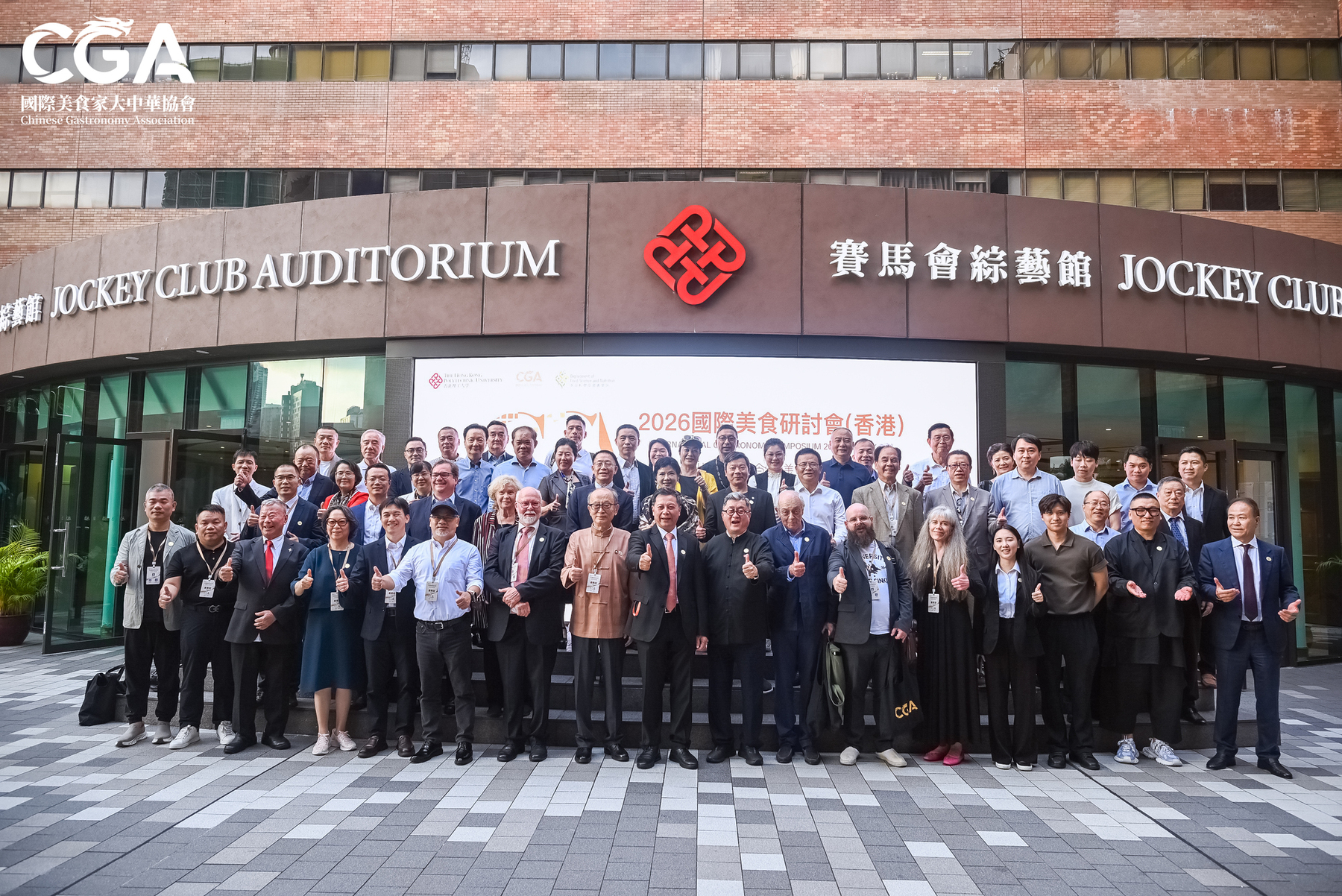
    The Chinese Gastronomy Association (CGA) brought the International Gastronomy Symposium to Asia for the first time, convening scholars, gastronomic institutions and industry representatives from Asia, Europe and Latin America at The Hong Kong Polytechnic University (PolyU). Organised by CGA, a member academy of the International Academy of Gastronomy (A.I.G.), and academically hosted by PolyU and its Department of Food Science and Nutrition, Supported by the World Federation of Chinese Catering Industry.the symposium created a platform for Chinese and international perspectives to meet on questions shaping the future of gastronomy.

    Under the theme “Gastronomic Studies of the World with Joy and Wellness”, CGA placed three closely connected areas at the centre of the programme: gastronomy, health and longevity; gastronomic science and innovation; and gastronomy-led place branding. Through these themes, the association linked its work to advance Chinese gastronomic knowledge with a wider international conversation about health, cultural identity, sustainable food systems, local development and dialogue between societies.
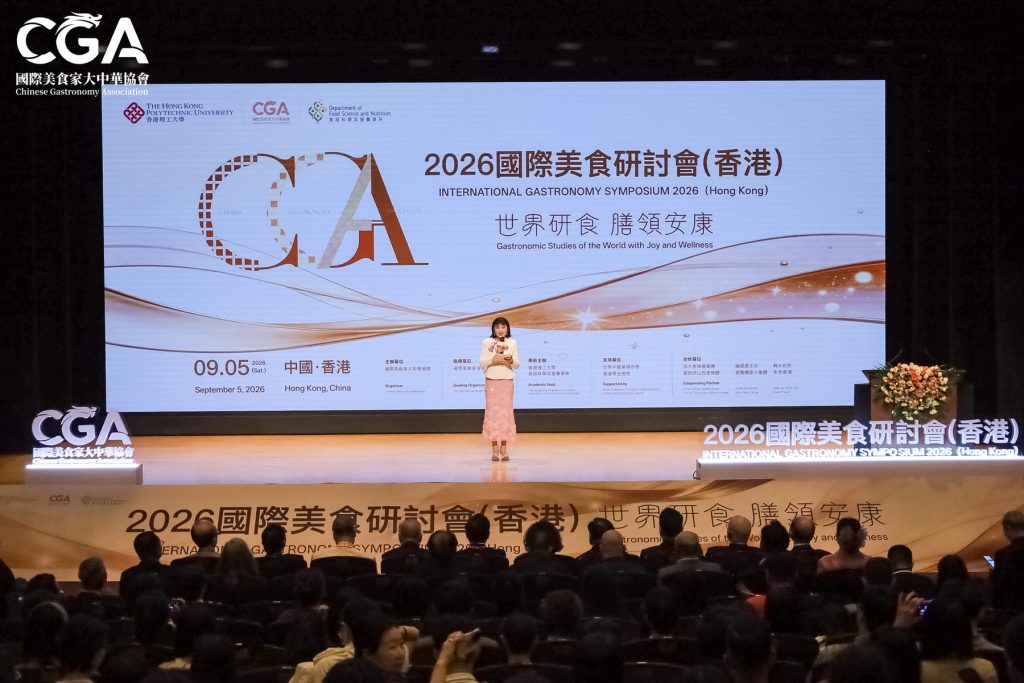
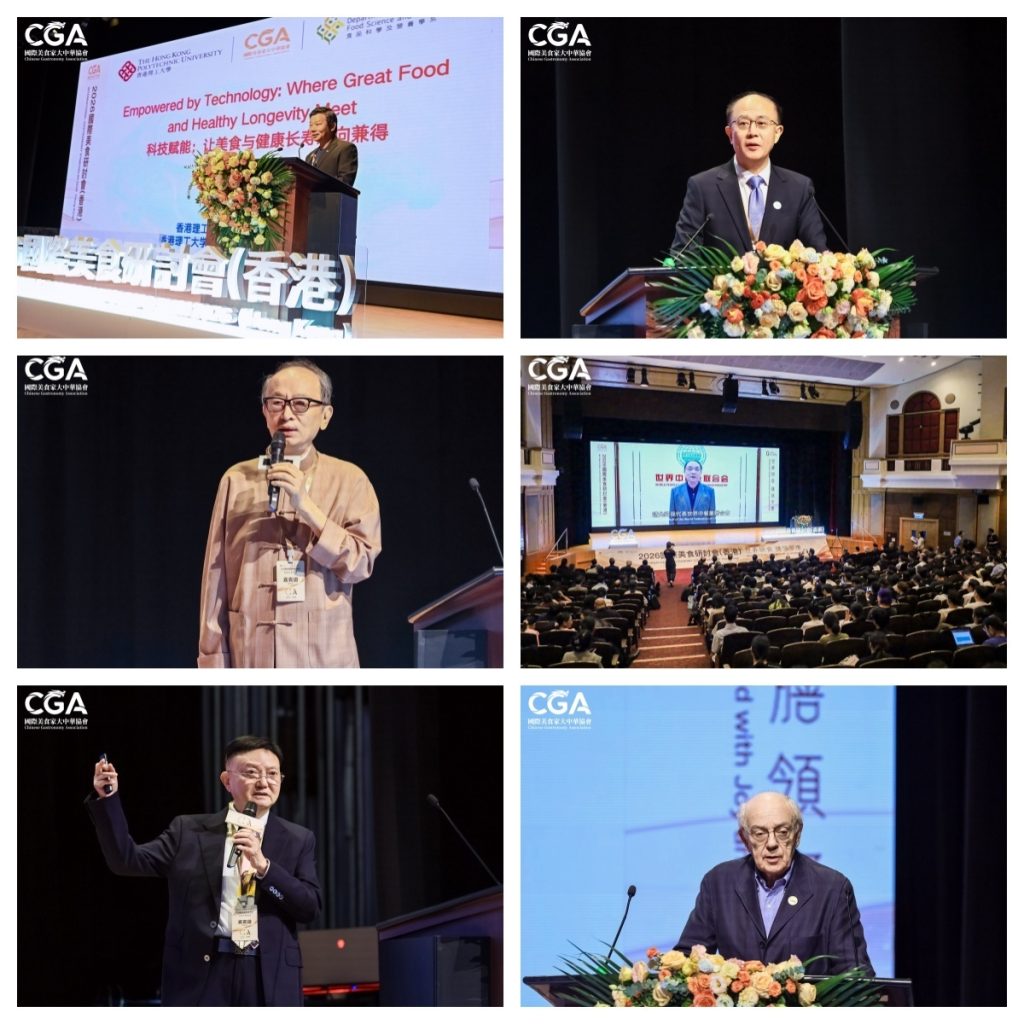
    Opening session of the International Gastronomy Symposium 2026 (Hong Kong), Photo: CGA.

    CGA convenes a global platform for gastronomy and human wellbeing

    Opening the symposium, CGA Founding President Chen Shaoqun recalled the association’s mission to help Chinese gastronomy develop from accumulated experience into a more systematic field of knowledge. He emphasised that gastronomy begins with respect for life, framing health and human wellbeing as the foundation of the symposium’s scientific and cultural discussions.
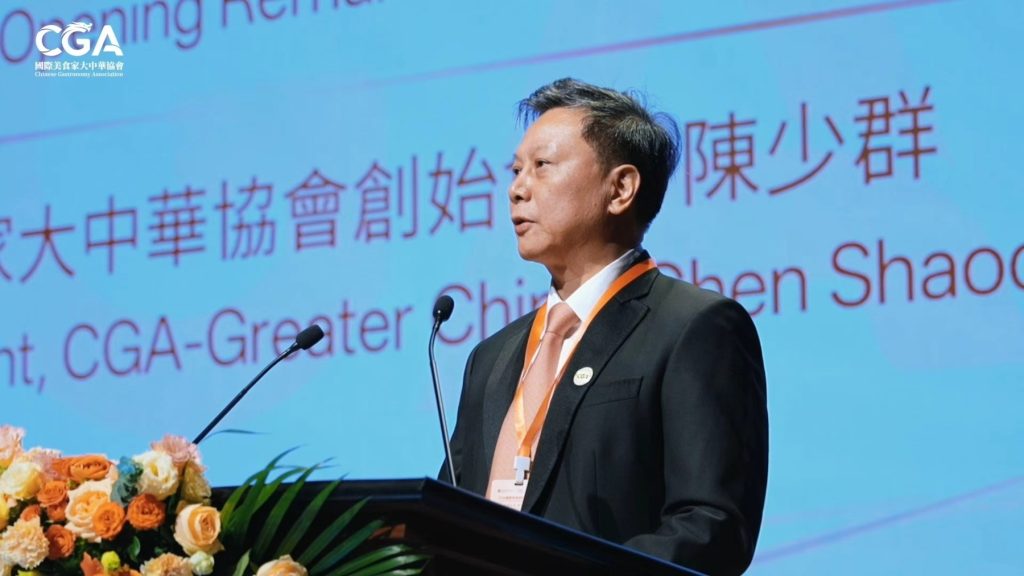
    CGA Founding President Chen Shaoqun delivers his remarks, Photo: CGA.

    Representatives of A.I.G., CGA, PolyU, public institutions and the international gastronomic community opened the symposium. In a video address, A.I.G. President Fabien Peticolas described gastronomy as a language shared across borders and linked the work of the symposium to the common pursuit of health and longevity. Per Olof Berg, Chair of the A.I.G. Scientific Committee, joined the programme in Hong Kong and contributed to the discussion on gastronomy and place branding.
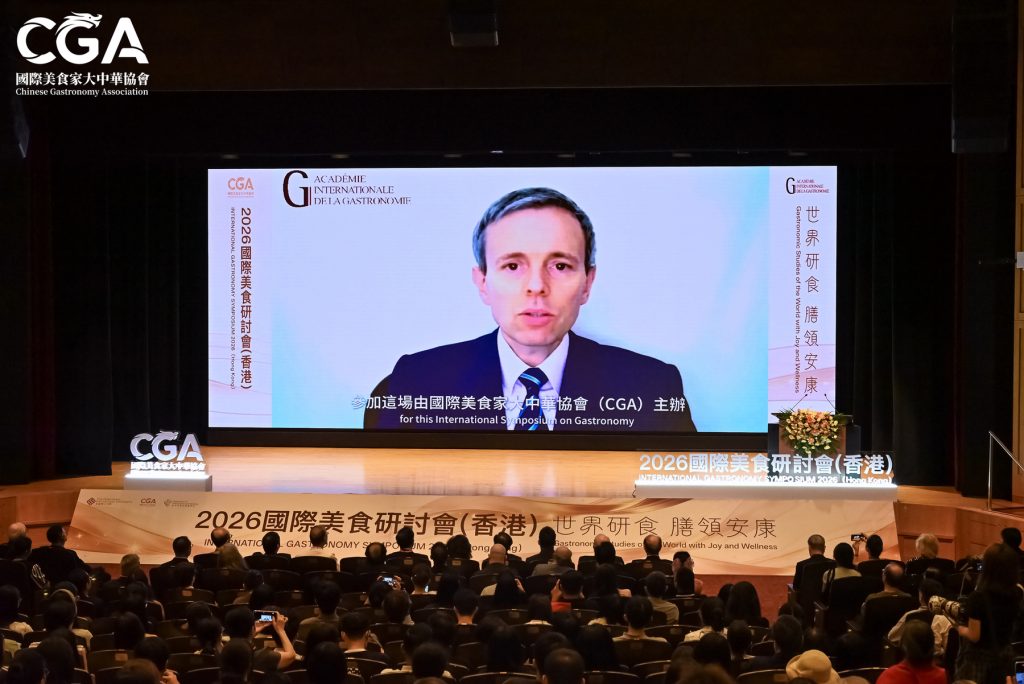
    Video address by the President of the International Academy of Gastronomy (A.I.G.), Photo: CGA.

    By bringing A.I.G., PolyU, public institutions, researchers and industry practitioners into the same programme, CGA connected scientific research with culinary heritage and practical innovation. Hong Kong’s position as a meeting point between Chinese and international food cultures provided a distinctive setting for the association to deepen exchange between the Greater China region and the wider gastronomic community.
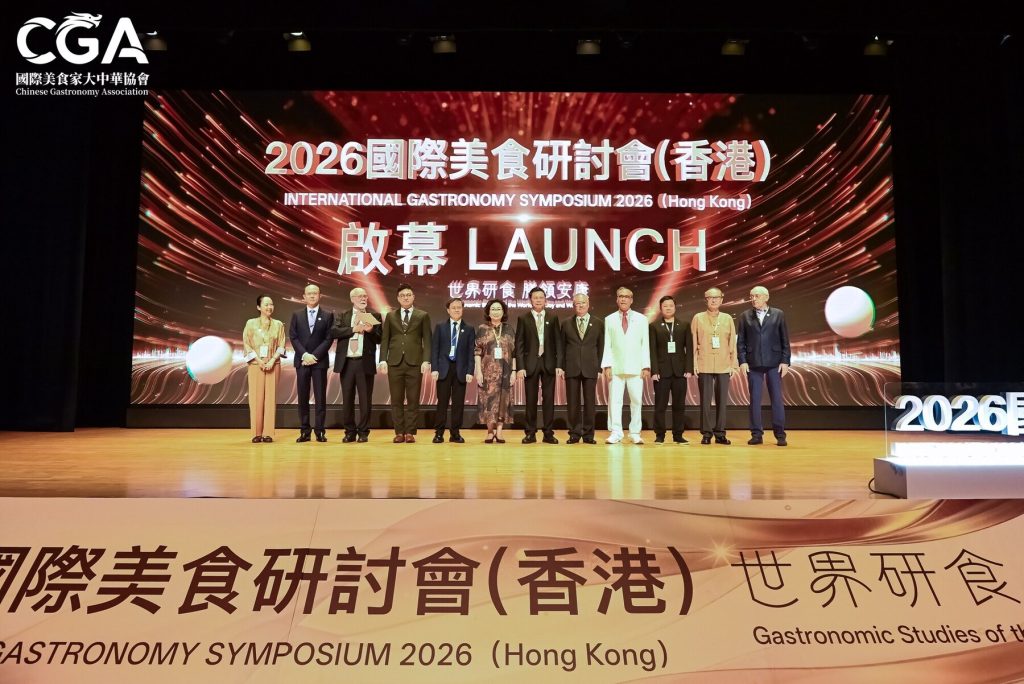
    Representatives from A.I.G., CGA, PolyU and partner organisations open the symposium in Hong Kong. Photo: CGA

    Gastronomy health and longevity

    The first thematic programme examined how food cultures and emerging technologies can support healthier and longer lives. Professor Sheng Chen, Head of PolyU’s Department of Food Science and Nutrition, compared established longevity diets and highlighted developments including 3D food printing, green extraction, AI-enabled precision nutrition and improved foods for older adults. His presentation underlined a practical challenge shared across societies: healthy food must also be appealing, convenient and acceptable in everyday life.

    Claude Fischler, Research Director at the French National Centre for Scientific Research (CNRS), approached gastronomy as rational knowledge about how human beings nourish themselves. Drawing on both Chinese and European intellectual traditions, he examined the role of food in forming identity and described cuisines as distinct cultural “grammars” through which human unity and diversity can be understood.
    Chinese and international guests deliver presentations on “Gastronomy, Health and Longevity, Photo: CGA.

    Speakers from Hong Kong and mainland China added perspectives from preventive nutrition, Cantonese dietary traditions and the Chinese concept of food and medicine sharing common origins. The discussion placed these traditions alongside contemporary nutritional science, while a round-table session stressed scientific evidence, balance and moderation rather than universal dietary prescriptions.
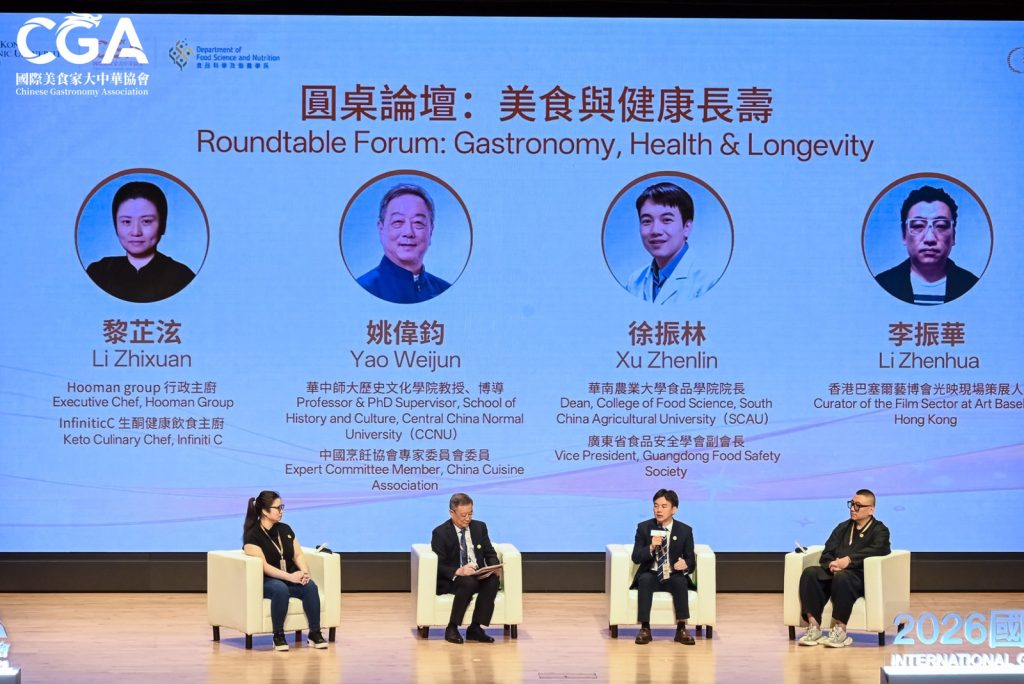
    International and Chinese speakers discuss gastronomy, health and longevity. Photo: CGA

    Scientific innovation must reach the table

    The second programme focused on the conditions that allow food innovation to move from research into daily life. Mari Sandell, Professor of Food Sensory Science at the University of Helsinki, stressed that nutritional value and safety alone do not guarantee acceptance. Sensory experience, affordability, accessibility and cultural meaning all influence whether new foods can contribute to a more sustainable food system.

    Mikael Malmivaara, Chairman of Northlink Partners, presented gastronomic innovation as a response to real needs involving chefs, food manufacturers, researchers and communicators. Discussions on alternative proteins, including insect-based foods, illustrated the wider challenge: scientific potential must be matched by good flavour, appropriate formats, public trust and workable regulation.

    Chinese researchers and industry practitioners also presented work on resource-efficient proteins, AI-assisted cooking and the conversion of culinary experience into measurable parameters. Across the sessions, one conclusion emerged clearly: meaningful food technology is technology that people can understand, accept and use.
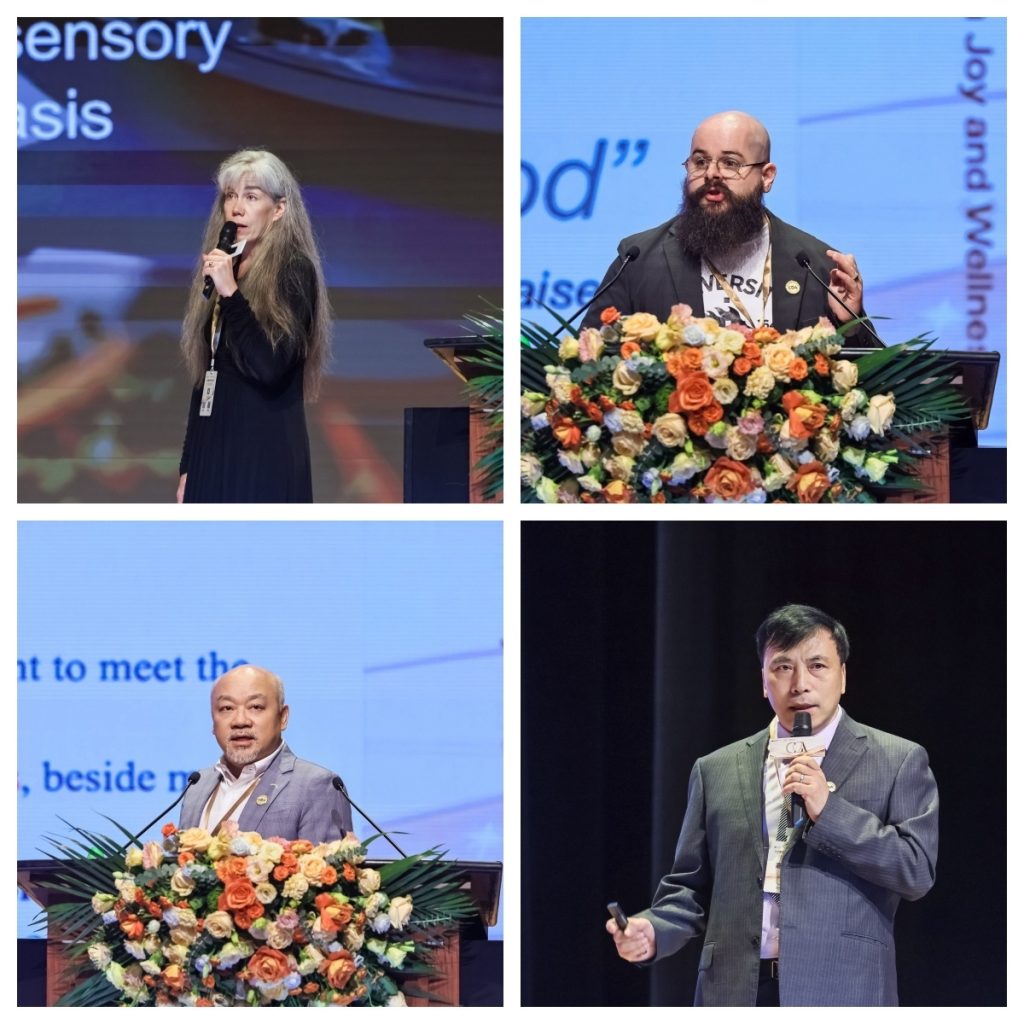
    Chinese and international guests deliver presentations on “Gastronomy and Scientific Innovation, Photo: CGA.

    Gastronomy as a force in place branding

    The third programme considered how gastronomy can help shape the identity and development of places. Per Olof Berg introduced the idea of cultivated place branding, explaining how markets, neighbourhoods, festivals, gastronomic guides and international certification do more than represent a place — they participate in its continuing formation.

    Contributions from China, Brazil, Finland and the United States explored how food carries memory, communicates local values and creates multisensory connections between people and destinations. Gustavo Braga, Vice President of the Brazilian Academy of Gastronomy, discussed how regional diversity can contribute to a national gastronomic identity. Guje Sevón drew attention to the way taste, smell, touch, emotion and memory influence how a city or region is experienced.
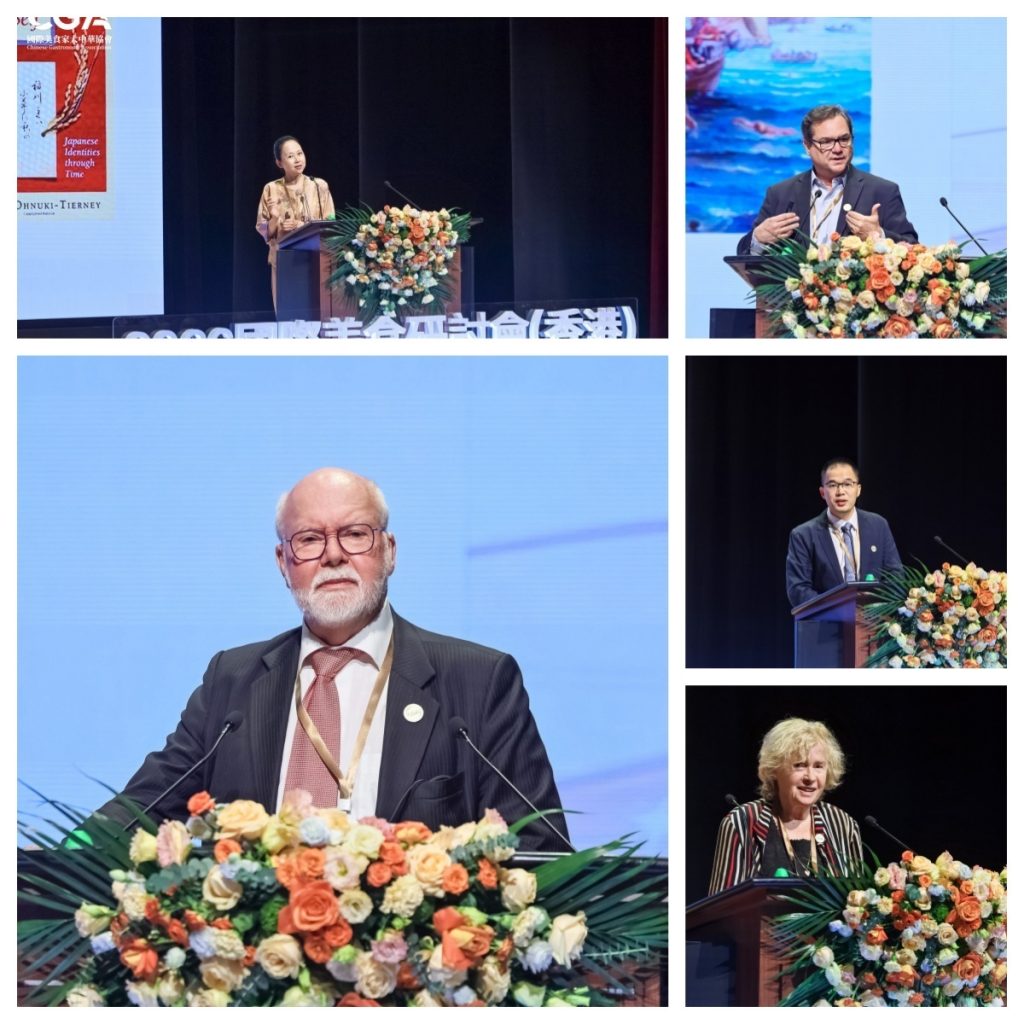
    Chinese and international guests deliver presentations on “Gastronomy and Place Branding, Photo: CGA.

    The accompanying round-table discussion addressed the balance between visibility and authenticity. Participants noted that digital media can rapidly extend the reach of local food cultures, but long-term trust still depends on product quality, cultural credibility and the protection of local knowledge. Examples including protected designation of origin frameworks demonstrated how collaboration and standards can support recognition without erasing regional character.
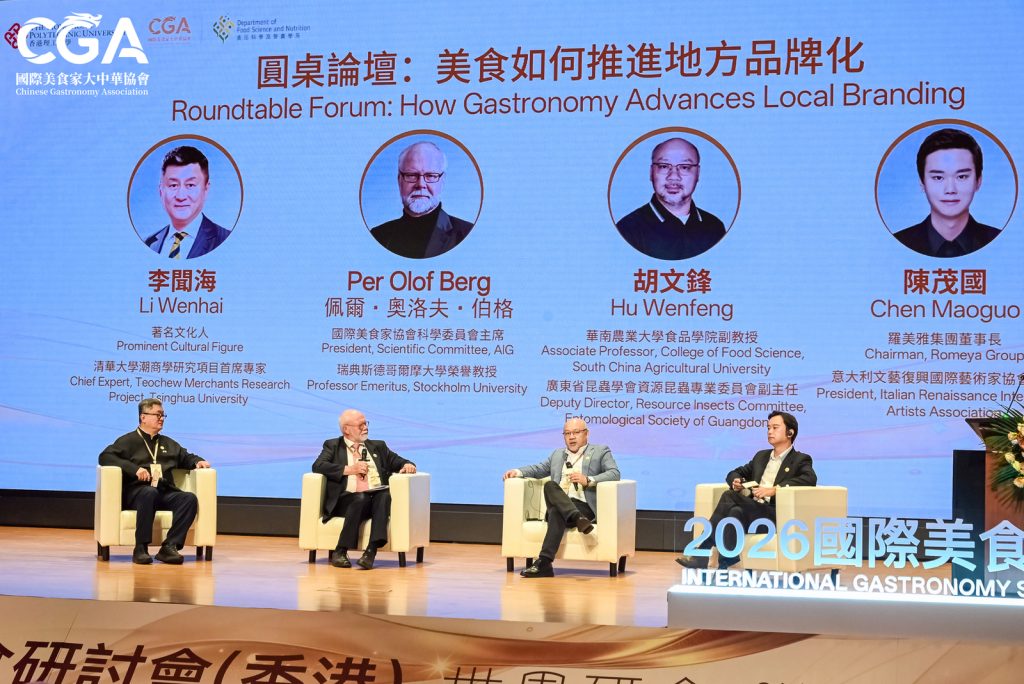
    Chinese and international guests deliver presentations on “Gastronomy and Place Branding, Photo: CGA.

    From Hong Kong to Helsinki

    At the close of the symposium, representatives of China and Finland completed the official handover for the next edition. Mari Sandell received the symposium flag on behalf of Finland from CGA Founding President Chen Shaoqun, confirming Helsinki as the host city for the International Gastronomy Symposium 2027. In his closing remarks, CGA President Lü Wenju reaffirmed the association’s role as a bridge: bringing Chinese gastronomy into wider international dialogue while introducing global gastronomic knowledge and experience to the Greater China region.
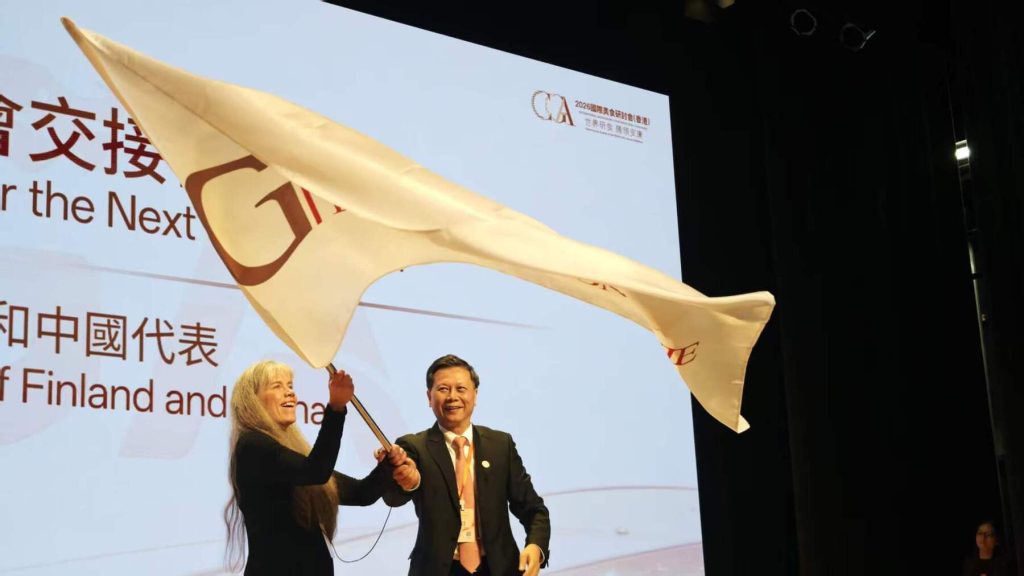
    The symposium flag is passed from Hong Kong to Finland ahead of the 2027 edition in Helsinki. Photo: CGA

    The handover placed continuity at the centre of the closing programme. The questions explored in Hong Kong — how gastronomy can promote wellbeing, responsible innovation, cultural heritage and the identity of places — will continue in a new European setting. From Hong Kong to Helsinki, the symposium strengthens an international network in which different gastronomic traditions can be studied, shared and developed through dialogue.


  • Amazon International Gastronomy Symposium

    Amazon International Gastronomy Symposium

    Regional Gastronomy and Sustainability

    28-30 August 2025, Federal University of Pará, Belém, Brazil

    The Brazilian Academy of Gastronomy (A.B.G.), in fulfilment of its institutional objectives and its role as a regional affiliate of the International Academy of Gastronomy and the Ibero-American Academy of Gastronomy, is organizing the first International Symposium on Amazonian Gastronomy (SIGA), from August 28 to 30, 2025, which will feature the participation of renowned researchers from Brazil and around the world.

    Focusing on the theme “Regional Gastronomy and Sustainability,” SIGA 2025 will take place in the city of Belém, which will also host the Thirtieth UN Climate Change Conference – COP30, in November of this year, and has been a UNESCO Creative City of Gastronomy since 2015.

    Climate transformations reflect on the sustainability of ecosystems around the planet. The production of culinary inputs, one of the pillars of gastronomic development, is impacted by the dynamics that these changes produce everywhere on Earth, including in gastronomic territories. 

    In this context, SIGA 2025 aims to analyse regional gastronomy from the perspective of the territorial food system, at risk of radical transformation. Sustainability thus becomes a strategic axis to preserve traditional identities and design future pathways for that system.  

    The gastronomic regionality will be addressed across different geographies, both in Brazil and abroad, through the exchange and debate of public policies and private initiatives aimed at enabling sustainable development in various biomes and cultures. Notwithstanding, by choosing the city of Belém, in the Brazilian Amazon, to host the event, ABG emphasizes the premise of sustainable regional gastronomy and its inseparability from the debate on climate change, as well as encouraging the knowledge of the Amazon rainforest and the experience of local food experiences in a region that plays a decisive role in the future of the planet.

    Scientific Program

    August 28 – Thursday

    Keynote Lectures

    • Claude Fischler – Eating together: A perspective on commensality
    • Per Olof Berg – Regional gastronomy as a sustainable development strategy?

    Society, Territory and Cultural Heritage

    • Sidiana Macedo – The Amazon cuisine, a mestizo cuisine
    • Marcos Miguel – Fermented ethnic foods: a look beyond cultural tradition
    • Telma Shimizu – Nippo-Brazilian culinary: the contribution of japanese imigrants and their descendants to the construction of Brazilian food diversity

    Public Policies and Private Initiatives for Sustainable Regional Gastronomy

    • Gabriel Sola – The importance of public policies in strengthening agriculture, retaining people in the countryside, and preserving the Environment
    • Renata Cabrera – From farm to table: biodiversity as the pathway to our the future
    • Denise de Oliveira e Silva – Journal of Food and Culture of the Americas

    Trends in International Gastronomy, Sustainability, and the Market

    • Morena Leite – A internacionalização da Cozinha Brasileira
    • Paulo Machado – Gastronomic Routes
    • Silvio Barros – Sustainability and the development of tourism and gastronomy in Brazilian cities

    Keynote Lecture

    • Claude Fischler and Per Olof Berg – Gastronomics: an emerging hybrid science area?

    August 29 – Friday

    Keynote Lecture

    • Rafael Ansón Oliart – Global vision of gastronomy in the 21st Century

    Roundtable I

    • Territorial Experiences in Regional Gastronomy – UNESCO Creative Cities of Gastronomy: Belém, Belo Horizonte, and Florianópolis
    • Eduardo Cruvinel
    • Fabiana Mortimer Amaral

    Roundtable II 

    Pan-Amazon Cooperation for the Development of Regional Gastronomy, with the participation of the Brazilian Academy of Gastronomy (ABG), Association of Amazonian Universities (UNAMAZ).

    • Álvaro do Espírito Santo
    • Gisele Arouck
    • José Seixas Lourenço
    • Morena Leite
    • Rosario Olivas Weston

    Closing ceremony and reading of the Letter of Belém

  • Stockholm Gastronomy Conference

    Stockholm Gastronomy Conference

    In 2022, four Swedish Academies – organized along the food chain – decided to work closely together to promote Gastronomy as a positive driving force for necessary changes in national as well as international food systems. This was done through a distinct consumer perspective on food, meals and gastronomy – “from table to farm” – with a focus on positive taste experiences and delightful meals.   

    The result of the collaboration was the creation of three programs that were launched during 2022: 

    • Sweden’s New County Meals4 – a “gastronomic mobilization and positioning” of all 26 cultural regions in Sweden through the development of a three-course dinner including the creation of a table with all accessories. In all more than 500 persons were involved in the creation of the meals and as of today served to an estimated 7,000 guests in Sweden and abroad. 
    • Stockholm – European Capital of Gastronomy 20235 – a joint effort by the academies and the city of Stockholm to promote the city as an innovative gastronomic destination “worth visiting” in Europe. Around 100 actors contributed with gastronomic content showcasing over 200 food and drink events all through 2023.
    • The Tore Wretman Symposium 20226 a research and policy conferences designed to strengthen gastronomy as a multidisciplinary science-area. The conference which was hosted by Stockholm University, attracted 100 participants to 12 tracks and 74 presentations. 

    Launching the Stockholm Gastronomy Conference

    Based on the positive outcome of the Tore Wretman Symposium in 2022, the four Academies – supported by the A.I.G. and the European Community of New Gastronomy decided to move forward with an international multidisciplinary research and policy conference in Gastronomy in 2023, to be hosted by Stockholm University. The overall theme of the conference was “gastronomy research and policy studies – the state of the art”, signaling an ambition to sum-up contemporary research and emerging policy issues in the comprehensive area of gastronomy. The ambition was also to create a solid foundation for collaboration in areas of strategic importance, to be discussed in future international multidisciplinary gastronomy conferences. 

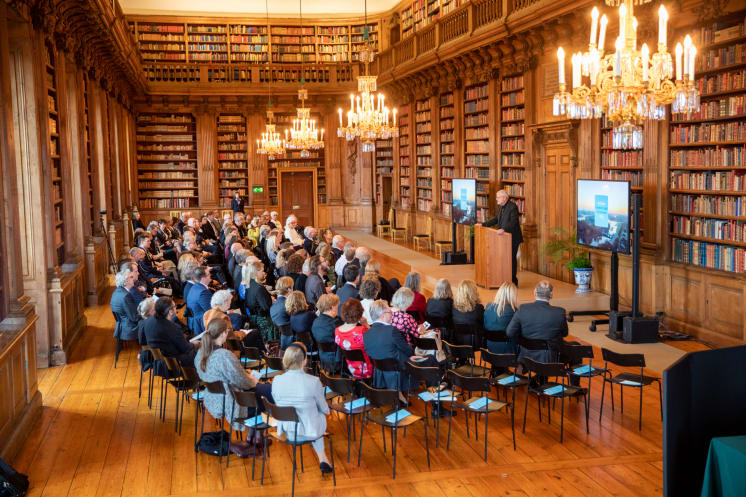
    Martin Lind, President of the Swedish Academy of Gastronomy, presents the programme to the King and representatives of gastronomy interest groups in Sweden at the Bernadotte Library on 28 November 2022.

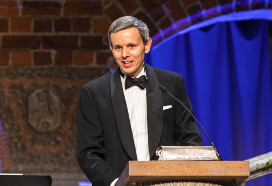
    The Planning continued and an updated version of the plans for the conference were presented to the 300 guests at the opening banquet for Stockholm Capital of Gastronomy in Stockholm City Hall, January 13th, 2023. During the banquet, Fabien Petitcolas, President of the A.I.G., gave an inspiring statement where he strongly advocated for a new proactive role of gastronomy in the future. As an example he used David Cameron´s fateful decision to commit to the Brexit referendum while eating a lukewarm pizza at a fast-food restaurant in the Chicago airport, and ended his speech with the rhetorical question – “Had he eaten better, would the present of Europe be any different?” 

    Fabien Petitcolas delivers his speech at Stockholm City Hall.

    Call for Research and Policy Tracks 

    Gastronomy as a research area is split up in many disciplinary subareas. As one of the purposes of the Stockholm Gastronomy Conference was to strengthen gastronomy as a comprehensive research area “in its own right”, it was decided to formulate a “call for tracks” directed at the research community at large, rather than attempting to identify possible track themes. The call for tracks was thus opened to researchers from all science-areas and academic disciplines, as well as to policy and decisionmakers from different sectors of the multifaceted gastronomic value chain. 

    The outcome of the call was 27 track-proposals, covering natural, social and medical sciences as well as medicine, technology and humanities! The proposals were later screened and evaluated by the Honorary Advisory Board that was created to scientifically support the academic part of the conference8. 

    Track Structure and call for Abstracts 

    The evaluation of the tracks eventually resulted in the selection of 24 tracks9. These tracks were then divided into four main themes – each containing 6 tracks. The labels of the different tracks are listed in the end of this paper: 

    1. Taste, pleasure and delight as levers for sustainable food consumption. The tracks in this theme dealt with “taste, delight and enjoyment” of food meals and gastronomy as positive levers for sustainable, safe, and healthy food consumption. One track discussed for example the differences in perceived value of “what is eaten” is (e.g. on the menu) in culinary – or in neutral of nutritional terms. Other tracks adresssed the importance of taste experiences from a sensory perspective, as well as the health and climatic impact of “tasty food” in public meals.
    2. Gastronomy according to terroir, place, space and culture addressed the role of place in the form of terroir, space and culture to shape unique food and meal traditions. Here, the tracks and sessions deal, among other things, with how places (cities, regions, etc.) may develop into gastronomic destinations, and other tracks dealing with dietary cultural heritage, and others looking into restaurants as spaces for local cultural production.
    3. Gastronomy – a powerful force of transformation gathered researchers and policy makers sharing an interest in how gastronomy in different forms can be used in the social, economic, and environmental development of society. The track “Eat Drink and Pray” addresses the role of gastronomy in different religions, and another track presents new research on the role of food in revitalizing the environment and transforming the food system.

    D. Gastronomy – norms, skills, competencies and education focused on the development of norms, skills, competences in the field of gastronomy. One of the areas addressed in some of the track’s deals with chefs as managers and leaders, another addressed hospitality as an important element in the restaurant and hospitality industry. 

    Attendance, Abstracts and Presentations 

    In all 246 persons from 23 different countries around the world were registered at the conference. Out of the 183 abstracts submitted to the conference, 156 were accepted for presentation by the track organizers, while another 30 presentations (mainly in the policy area) were accepted without formal abstracts. In al 186 oral presentations were made during the conference.  The presentations took place in 5-6 parallel 1.5-hour sessions, with an average of three 30-minute presentations in each session.

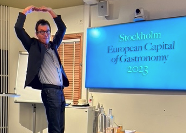
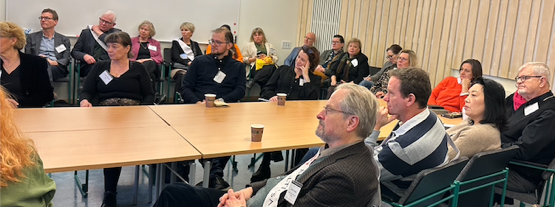
    Photos taken during the presentations of the different themes. 

    Each track organizing team was responsible for managing their own track, including structuring the presentations and assigning chairpersons to each session. As can be seen above, some track-organizers took a very active part in materializing their message! 

    Embodying Gastronomy as a Science Area – through Meals! 

    An important element in the Stockholm Gastronomy Conference was the real-life materialization of Gastronomy through all the meals – from dinners to coffee-breaks – served during the conference. All meals were inspired by the different dishes produced in the program Sweden’s New County Dishes, and during lunches and dinners the origin of the different dishes from all over Sweden were orally presented by chefs – in some cases the chefs that had themselves created the dishes. 

    Towards the International Gastronomy Conference in Madrid 2024 

    Upon a request from A.I.G. directed to its national member academies in 2023, the Real Academia de Gastronomía in Spain (RAG) declared its interest arranging an international science and policy conference like the one in Stockholm in 2024. This interest was confirmed during the Swedish Gastronomy Award ceremony 2024, organized by the Swedish Academy of Gastronomy at the royal castle in Stockholm. During this ceremony the European Capital of Gastronomy appointment was also transferred from Stockholm to Madrid. 

    The 24 Tracks at Stockholm Gastronomy Conference 

    A.1 : Pleasure as the Ally of Healthier Eating 

    A.2: Beyond Gastronomy – Sensory Challenges and Opportunities for Meals of Tomorrow 

    A.3: From waste to taste using sensory and consumer science methodologies 

    A.4: Consuming food: Consumer culture theories as a lens in food studies 

    A.5: Sustainable, tasty public meals as a lever for food system transformation 

    A.6: Food and Well-being 


    B.1: The importance of food experiences for sustainable place making and destination  

    B.2: Gastronomic Heritage – Dietary and Cultural perspectives 

    B.3: Sweden’s New County Meals – a National Gastronomic Mobilization 

    B.4: Restaurants as Spaces for Cultural Production  

    B.5: Local food systems -when and how the producer interacts with the customer 

    B.6: A lot can happen over coffee and tea: Swedish Fika, British Afternoon Tea, Japanese Tea   Ceremony, Turkish Coffee & Tea Ceremonies, and more 


    C.1: Culinary Curating – Art as/and/in food vice versa 

    C.2: Food Supply Security – from a Consumer Perspective 

    C.3: Eat, drink and Pray: Study of Religions Perspectives on Religion and Meals 

    C.4: Gastronomy and Social Life 

    C.5: Gastronomic landscape and biosphere stewardship: Food as a tangible entry point for revitalizing landscapes and equitable food system transformations 

    C.6: Gastronomy and territorial development: gastro-diplomacy and national/regional branding 


    D.1: The role and leadership of the Chef in European fine dining restaurants 

    D.2: Advancing Science to unlock the tacit knowledge of chefs and home cooks -Northern Lights on Food revisited 

    D.3: Gastronomy’s most important companion – the hosting skills. The contribution of the hospitable meeting and service to gastronomic experiences 

    D.4: Beverages in Culinary Arts and Hospitality: Norms and new Normalities 

    D.5: Advancing the future of higher culinary education 

    D.6: Challenges and opportunities for European Master level education in Gastronomy: Towards pan-European initiatives? 

  • 40th anniversary gala dinner in Hôtel de Ville de Paris

    40th anniversary gala dinner in Hôtel de Ville de Paris

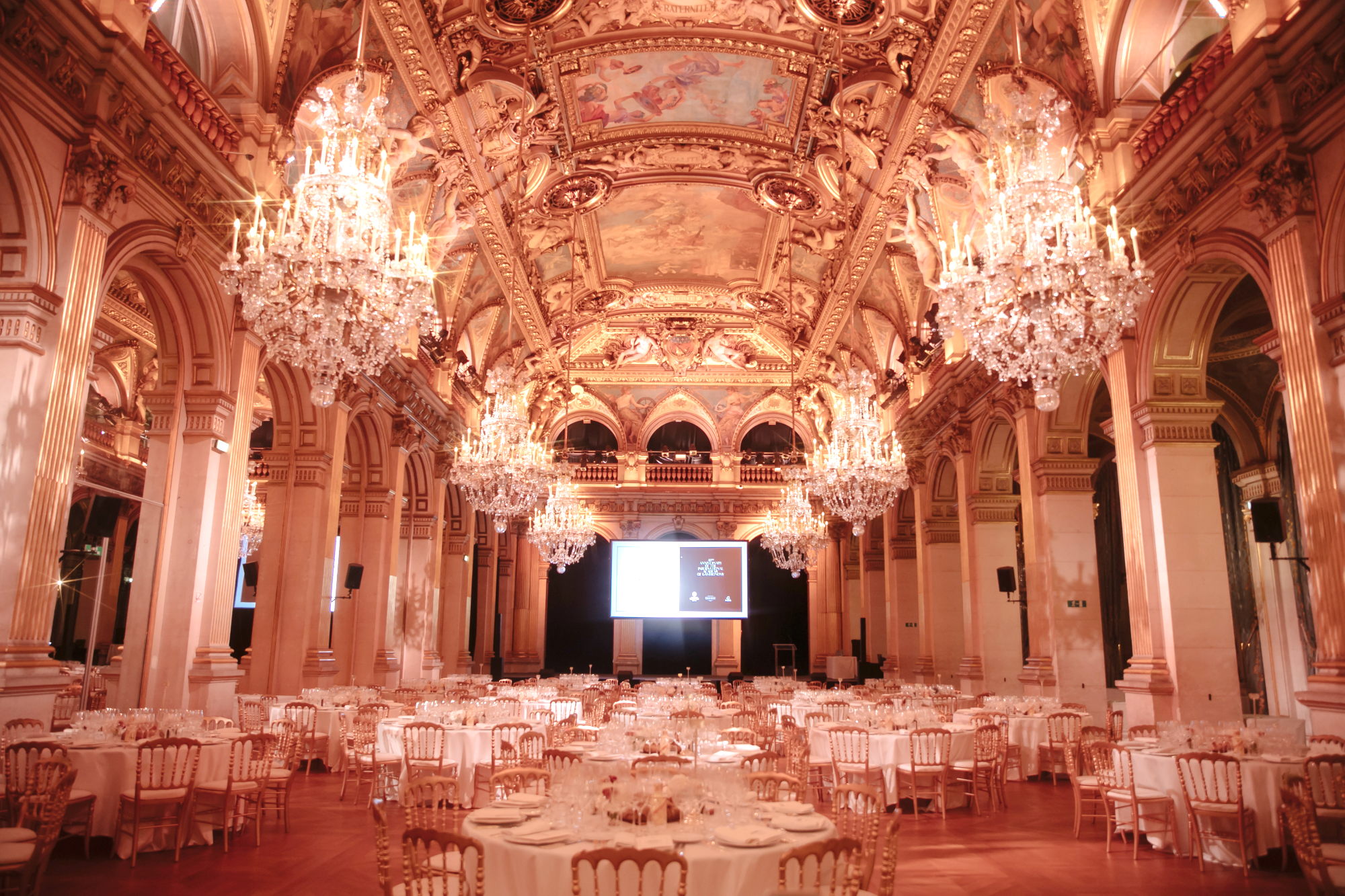
    On 18 November 2023, a reception was held in the Hôtel de Ville de Paris to celebrate the 40th anniversary of the International Academy of Gastronomy. A red carpet leads to the first stairs. Then we reach the masterful grand staircase leading to the opulent Salle des Fêtes of this 19th century building. In an intermediate lounge, students from the Ferrandi Paris School of Gastronomy and Hotel Management await guests with magnums of well-chilled Laurent-Perrier champagne.

    Those who wish can do so can pass in front of a photo-call listing the ten Chefs who will be taking part in the evening and the many partners who have generously supported the event, in order to be photographed by a professional photographer. 

    Gilding of the dazzling Salle des Fêtes partitioned so that the aperitif can be enjoyed in the first third. 

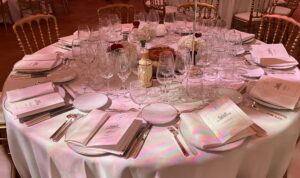
    One of carefully decorated round tables. Everyone has their name written in hand-calligraphy on small cards.

    In the Salon d’honneur, a haven of beauty and splendour, waiters circulate with trays of sought-after canapés and appetizers (haré by Kosuke Nabeta from Japan, 1 Michelin star in 2019, with sake from Takeno, snack fish shiso (fried shiso leaf under thin slices of sea bream enhanced with sweet pepper) by Manu Buffara from Brazil. Manu, the first Brazilian to have completed an internship at Noma in 2010, Miele “One to Watch,” 50 Best, Best Chef in Latin America, 50 Best in 2022. The Polish Antonius family has set up a caviar bar of its own production. A buffet of Burrus Swiss cheeses, some cubed and some sliced, is very tempting. A station of Lebanese manakish (thin dough from the Lebanese terroir, seasoned with thyme, olive oil and sesame seeds), sponsored by Kamal Mouzawak, holder of the 2018 Grand Prix de la Culture Gastronomique, A.I.G. delights us. Puff pastry is so airy that we can’t stop eating it. The wines offered by Château Ksara du Liban, the red Cuvée du Troisième Millénaire, Vintage 2018, and the Blanc de Blancs, Vintage 2022, are combined for a perfect match. 

    The numbered tables with white tablecloths falling to the ground, with gilded glasses and gold-edged plates are elegant, centred by a round pie of Poilâne bread decorated with ears of wheat with A.I.G. 40 in bread dough on top, surrounded by small vases of flowers. The 260 guests from 20 different countries are seated. I will remember the finesse of the glasses and the beautiful cutlery. 

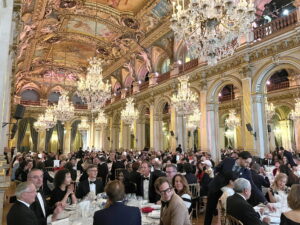
    The 260 guests seated in the banquet hall of teh Hôtel de Ville de Paris listen to the opening speeches.

    Fabien Petitcolas took the floor, welcomed the guests and thanked them for their presence in Paris: “The A.I.G. is at a decisive moment in its journey, it is a big step in the new decade. Gastronomy is a universal language that transcends our individual identities. Before giving the floor to Rafael Anson, founder of our Academy, I would like to express my deep gratitude to Nicolas Kenedi, of the Academy of Gastronomes and the Polish Academy of Gastronomy, who has been fully committed to the success of this event. His innovative ideas, valuable relationships and vital partners have been instrumental. My thanks also go to Jacques Mallard, Honorary President.” 

    The brigadiers are Nicolas Kenedi, Fabien Petitcolas and Jacques Mallard. Wine curators Aymeric de Clouet of the Académie des gastronomes and Alexandre Col of the Académie suisse des gourmets and the Table des 13. The Executive Chef is Marie Soria of Potel & Chabot, the leading luxury caterer in Paris. The heavily alcoholic Moutai is served generously.

    Presentation of the A.I.G. Grands Prix

    Arnaud Donckele (Grand Prix de l’Art de la Cuisine) receives his prize from Jacques. He works in the restaurants Plénitude in Paris and La Vague d’Or in Saint Tropez. José Polo (Grand Prix de l’Art de la Salle) from the restaurant Atrio (Spain). The encyclopaedic collection Bullipedia (Grand Prix de la Culture Gastronomique). Two winners for the Grand Prize for Science and Food, Professor Pedro Graça from Porto, Portugal and Fadi Abou from Lebanon. Mr. Carlos Fontão De Carvalho, President of the Portuguese Academy of Gastronomy, took the floor: “The 25-page book has become a 400-page book.” The awards are presented by Nicolas Kenedi. The Exceptional Grand Prize was awarded by Nicolas Kenedi to the representative of the Rungis International Food Market. 

    Presentation of meal

    While the teams from Potel & Chabot and the Ferrandi School prepare the first course, Nicolas Kenedi: “I would like you to give me six more minutes of your time… This dinner took six months to complete. The manakish of Kamal Mouzawak from the Mediterranean Basin went hand in hand with the wines offered by Château Ksara, thank you Naji and Khalil. The bread of life by Apollonia Poilâne, the special salad…” He presents the dishes we are going to have3. ”We’re going to make a toast with the little glass filled with baijiu Moutai. Bon appétit and great thirst!”

    Celebrating 40 years is like telling 5 decades of gastronomic history illustrated by 5 Chefs, emblematic figures and precursors. The chosen menu focuses on iconic dishes from each decade. 

    The baguette is made by Sri Lankan baker Tharshan Selvarajah (best baguette in Paris in 2023). Leaves from Alain Passard’s garden vertically in a glass, nature in its raw state. The first course (1980s) is the French toast with Antonius caviar, a cube of brioche hollowed out and filled with mashed potatoes, topped with a thick layer of caviar. Next to it, a frothy and tangy sauce, maritime mertensie leaves and cockles, by Stéphanie le Quellec (2 Michelin stars, winner of Top Chef 2011 and Prix au Chef de l’Avenir 2014, A.I.G.) accompanied by Champagne Laurent-Perrier Grand Siècle. 

    This is followed by the white quenelle, sprinkled with fennel pollen, sweet alyssum and “sea truffle” (2000’s) by Tommy Myllymäki (2 Michelin stars, winner of the Bocuse d’Argent 2011 and the Gold Medal of the Swedish Academy of Gastronomy 2016), very good, with Beaune Grèves 1er Cru, Clos Blanc. 

    Then the prawns of Palamos (1990’s) by Joan Roca (3 Michelin stars, Grand Prix de l’Art de la Cuisine 2011, A.I.G., Best restaurant in the world in 2013 according to Restaurant Magazine) and Riesling R de BeyeR, Grand Cru Eichberg. Good dish. 

    Beef tenderloin by Yannick Alléno (3 Michelin stars, Bocuse d’Argent 1999 and Grand Prix de l’Art de la Cuisine 2016, A.I.G.) and Bobby Lo (China) for the Pekingese sauce (2000’s) is a pure marvel, tender as can be, covered with a medium-thick pancake and a few purslane leaves. The sauce, thanks to its characteristic flavor, adds a sweet and sour touch to the whole. Château d’Armailhac Grand Cru Classé de Pauillac in magnum. 

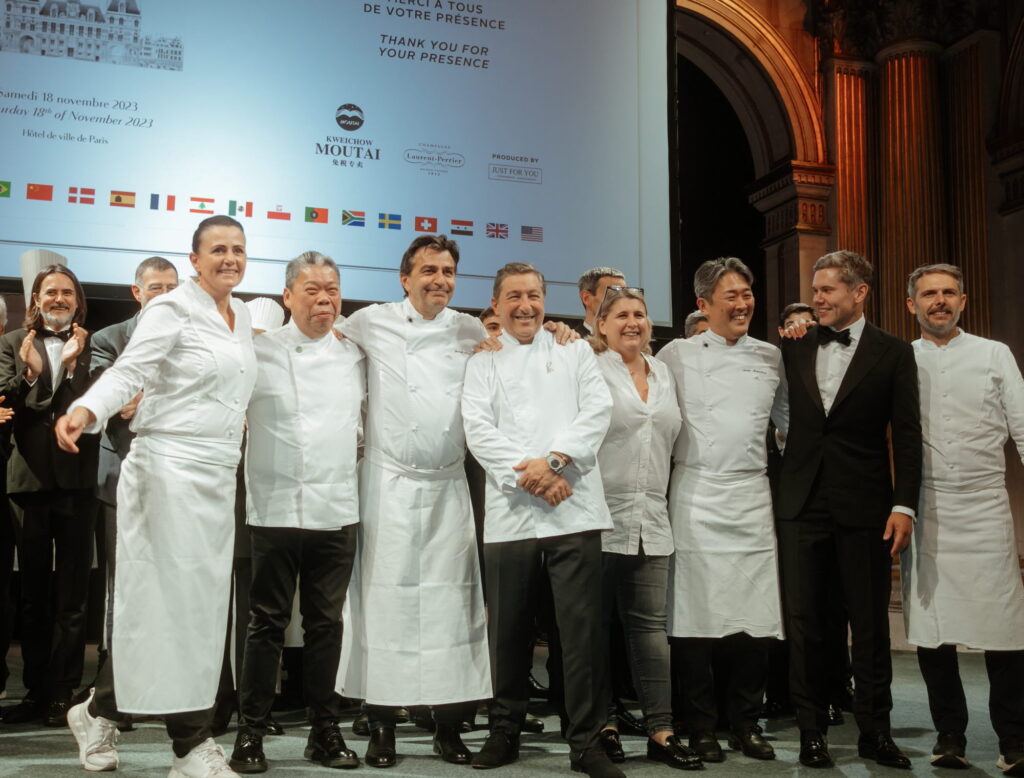
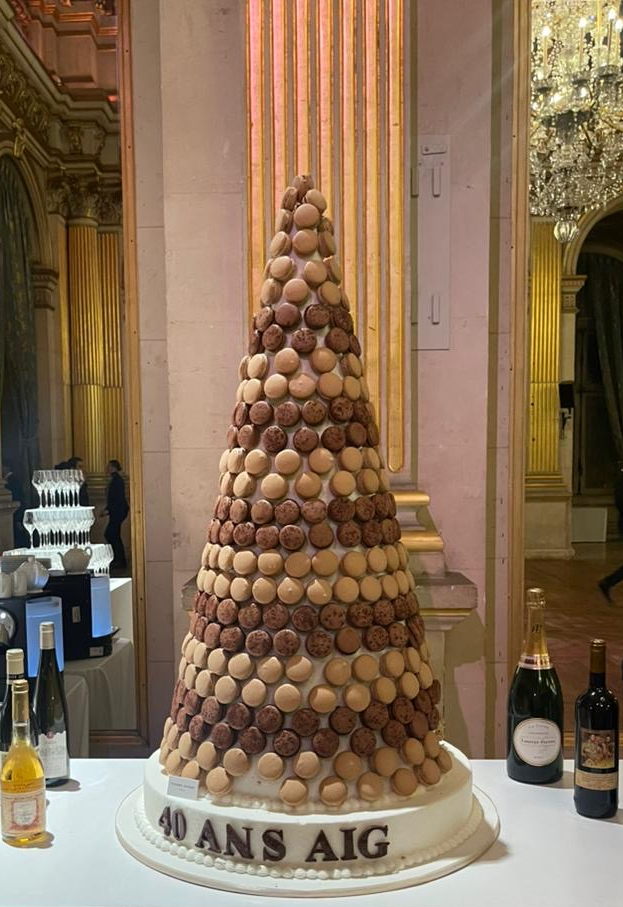
    Fabien calls Nicolas, Jacques, the Chefs, the partners, the Grand Prix Laureates, the waiters and members of the A.I.G. on stage for photos. A huge cone of Hermé vanilla and chocolate macarons is worn with great pomp and placed on a table in the entrance. 

    And after him, waiters and cooks parade. A vanilla tart with fine flavours, sprinkled with cocoa on the edge (2010’s) also by Pierre Hermé (Best Pastry Chef in the world by 50 Best in 2016) is tasted with Camus Cognac, Legion of Honor Private Collection, a rare nobility that reveals the subtlety of the vanilla. 

     Sumptuous and elegant meal to mark the forty years of the A.I.G.! 

    From left to right: Marie Soria, Bobby Lo, Yannick Alléno, Joan Roca, Stéphanie Le Quellec, Taichi Megurikami, Tommy Myllymäki

    Vanilla and chocolate macaroon pyramid by Pierre Hermé.

  • Conference on 21st century gastronomy

    Conference on 21st century gastronomy

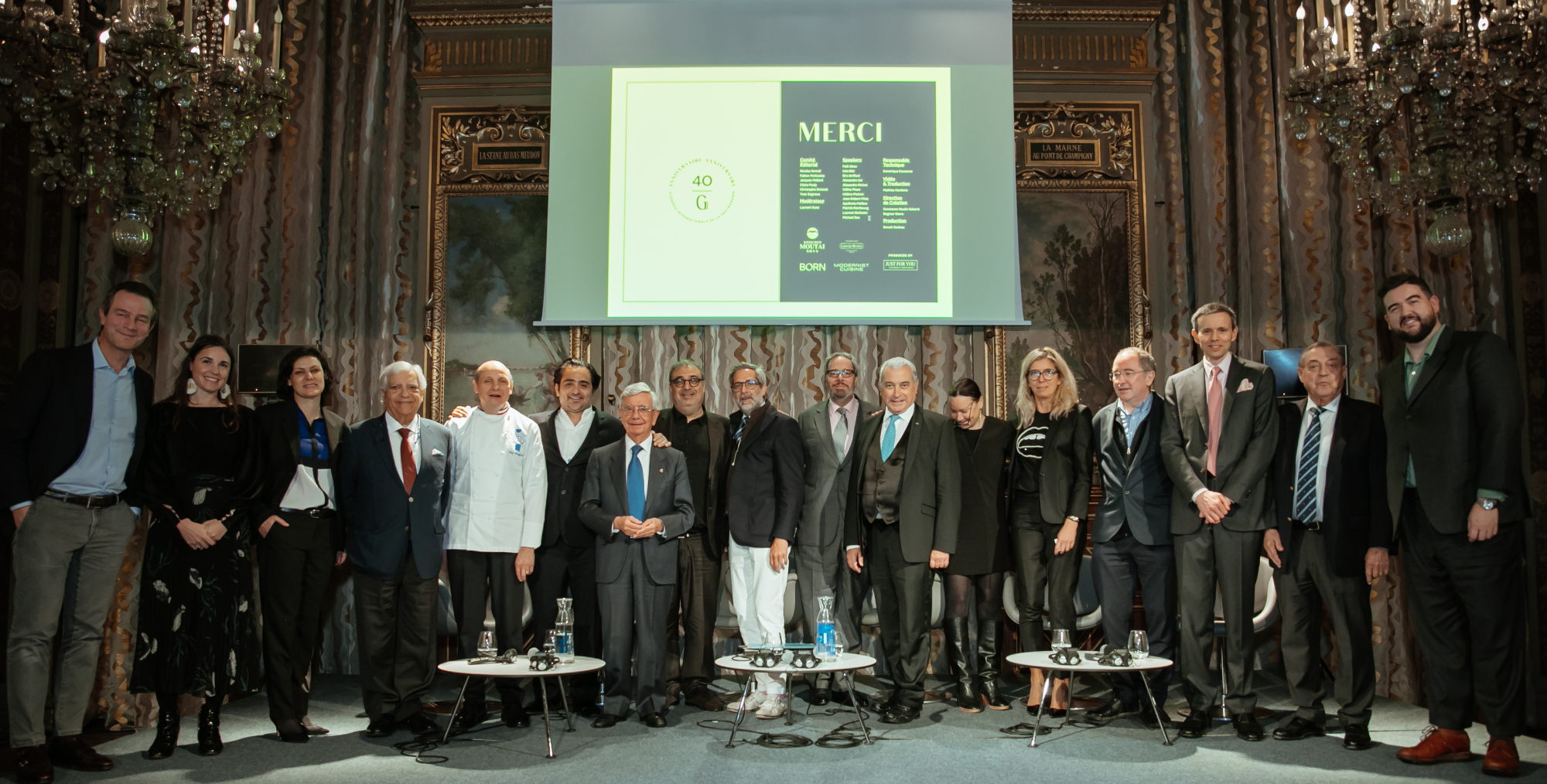
    The conference on the evolution of gastronomy in the 21st century revolves around three current themes and is moderated by Laurent Guez, Food Editorial Director of the Les Échos-Le Parisien Group: “1983 was a good year. I am very pleased to be with you to celebrate the 40th anniversary of the A. I.G.” 

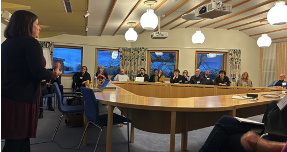
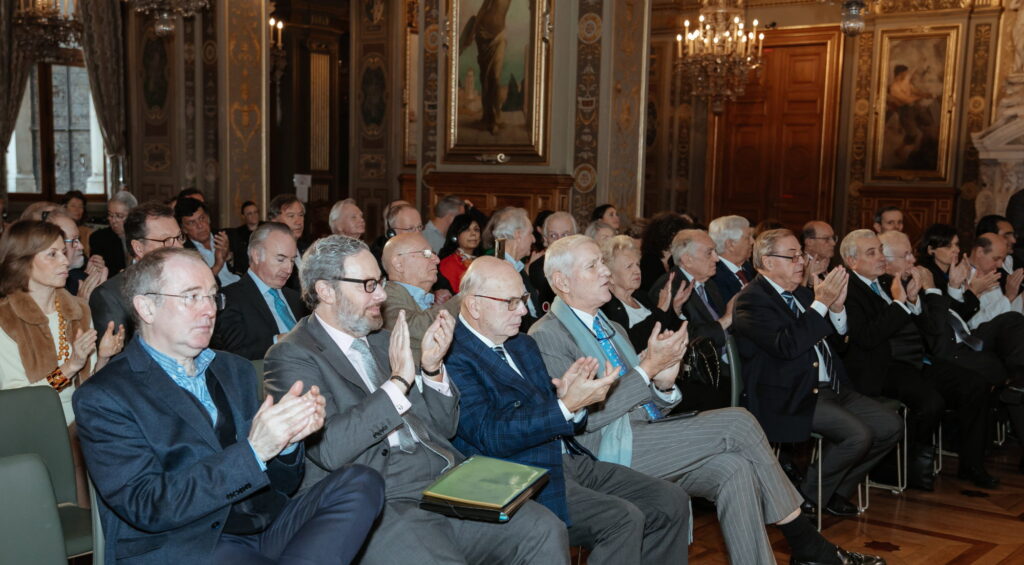
    A large audience came to the Salle des Arcades of the Hôtel de Ville de Paris.

    Rafael Anson, Founder and Honorary President of the A.I.G., presents the Manifesto of the Academy. ”The concept of gastronomy has evolved. You have to eat well to reach 88 years old like me. Health, solidarity and satisfaction. Nutrition and sociability account for 50% of health. There are different types of cuisine.” 

    Nicolas Kenedi continues: “Ten commitments for the future.  

    1. Gastronomy is the reasoned knowledge of how people eat. Its purpose is to ensure the continuity of humanity by means of the healthiest food possible (Brillat-Savarin 1826).
    2. While aiming for excellence in terms of pleasure, gastronomy must promote food safety and health, encouraging a healthy, varied and balanced diet, avoiding excess salt, sugar, saturated fats, additives.
    3. There is no gastronomy without good products because gastronomy is used to highlight the product and not to camouflage its defects. This applies to all food sectors.
    4. Respect for the seasonality of products is essential, as in any activity linked to nature, and local products must be favoured because a product is better in its production period without unnecessary transport.
    5. The corollary of these proposals is the ecological respect of our planet and the protection of its biodiversity.
    6. It is also necessary to protect gastronomic cultures (such as local cuisine) from globalization and standardization; Gastronomy is a fundamental part of cultural expression.
    7. The role of Chefs and their teams is fundamental. Their knowledge and creativity are a driving force behind the evolution of culinary tastes.
    8. Gastronomy must include all culinary traditions, it must be accessible to all and include home cooking, street food and all categories of restaurants.
    9. Gastronomy is and will remain an important component of tourism, combining culinary pleasures and discoveries with those of travel.
    10. All this will only be possible if an educational program is developed, ranging from taste education in young children to professional training in the hospitality industry.” 

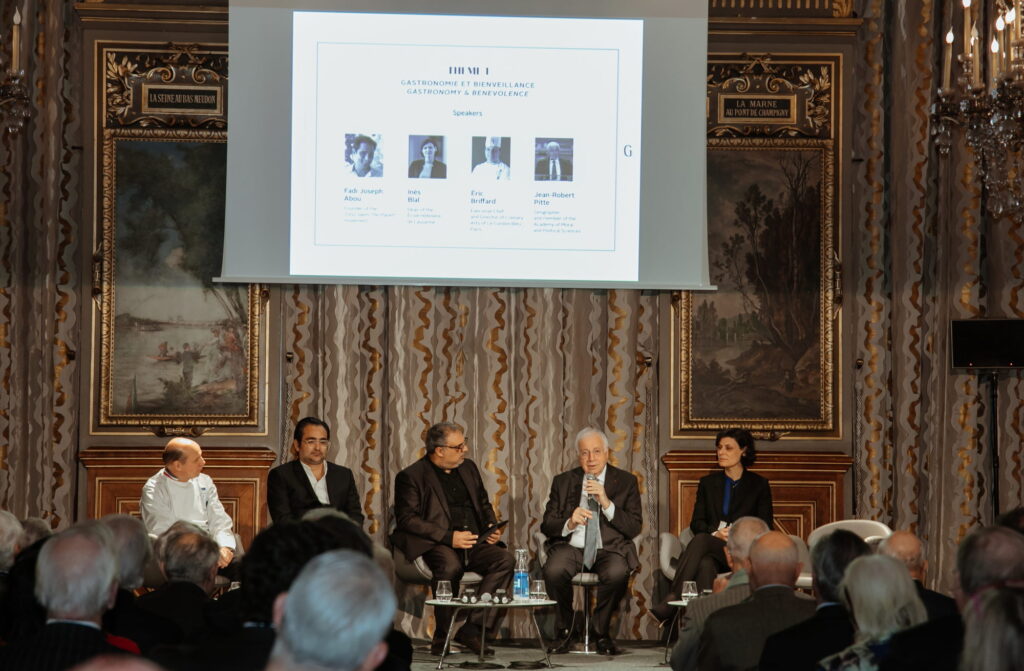
    The conference will address the following three themes: Gastronomy and Benevolence; Have we lost our grandmothers? Are all words equal? 

    Gastronomy and benevolence 

    In the first theme, participants include Fadi Abou (founder of the Less saves the planet movement), Inès Blal (dean of the École Hôtelière de Lausanne), Éric Briffard (executive chef and director of Culinary Arts at Le Cordon Bleu), and Jean-Robert Pitte (geographer and member of the Academy of Moral and Political Sciences). Jean-Robert: “Gastronomy is a tool of diplomacy, it unifies people.” 

    First theme, from left to right, Éric Briffard, Fadi Abou, Laurent Guez, Jean-Robert Pitte, and Inès Blal.

    Inès: “Gastronomy promotes human contact and has a benevolent approach.” 

    Fadi: “Gastronomy is at the service of the environment: it was the opposite before. The movement was launched in Monaco 6 years ago. One day, Pharaoh had a dream, he saw 7 fat cows followed by 7 lean cows coming out of the river which swallowed the first ones. Then a second dream with 7 full and 7 empty ears of wheat. He asked Joseph (who had been sold by his brothers out of jealousy) the meaning of his dream, who interpreted the dream as follows: 7 years of plenty will be followed by 7 years of famine. He advised Pharaoh to store up some of the crops in anticipation of the bad years to come. Pharaoh put Joseph in charge of the work, stockpiled food, and rationed food, which saved Egypt from famine. Kindness and forgiveness.” 

    Eric: “In Burgundy, there is a transmission of benevolence. There is an agricultural solidarity and a wonder in front of nature. The chef’s goal is to please the guests. Cooking is a permanent link with nature and its products. Their contemplation is zen. The chefs adapt to the food tastes of the guests. There are religious prohibitions that must be respected. More than 60% of the Chefs are women.” 

    Fadi: “Water is a major problem, with a lot of consumption, it’s a big heresy. The solution came from Japan, they magnify the tea ceremony. You have to take the time to eat with your eyes closed. The UN has announced that meat and grain production is the leading cause of global warming.” 

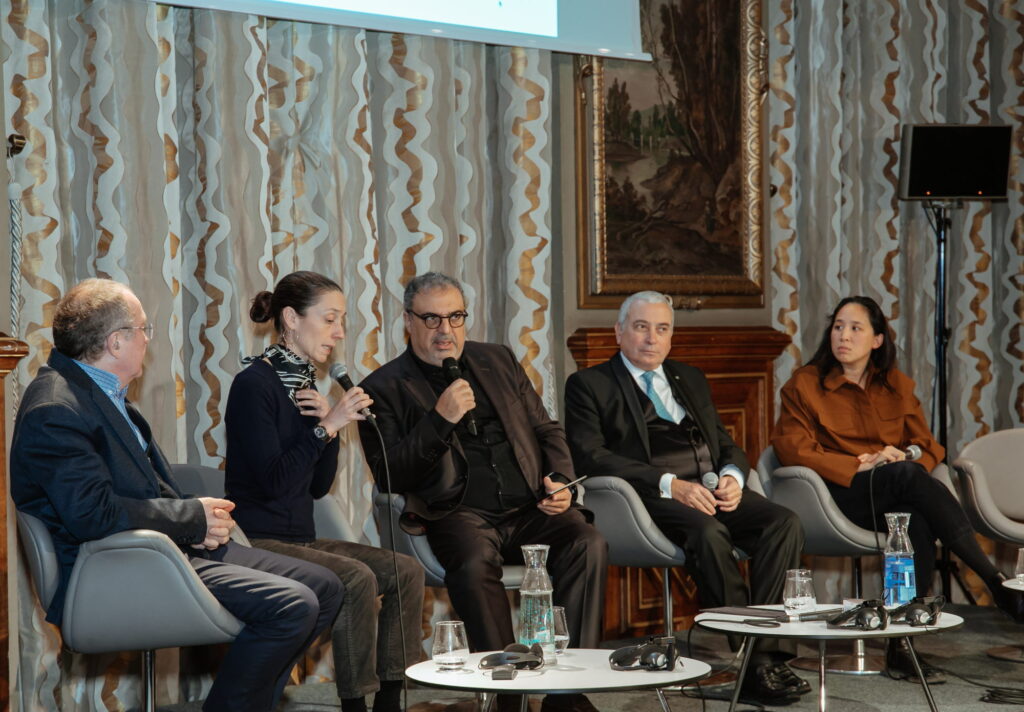
    Have we lost our grandmothers? 

    The second theme includes Céline Pham (chef), Apollonia Poilâne (baker and CEO of Poilâne), Patrick Rambourg (historian-teacher-researcher specializing in gastronomy), Laurent Stefanini (former ambassador of France to UNESCO, gourmet and author of “À la table des diplomates”). 

    Second theme with, from left to right, Patrick Rambourg, Apollonia Poilâne, Laurent Guez, Laurent Stefanini, and Céline Pham.

    Céline: “For me, the transmission was done by my grandmother. Vietnamese cuisine, the dishes were put in the middle of the table. At the age of 21, after losing her, I felt the need to communicate with her again.” 

    Laurent: “I knew both my grandmothers, the second one didn’t cook. My mom gave me 15 cooking cards. The trigger has occurred. The gastronomic meal of the French is part of the heritage.” 

    Apollonia: “In my case, the transmission was very sudden and unexpected, following the death of my father in a helicopter crash 21 years ago. I was only 18 years old.” I reproduce here the little text that Apollonia was kind enough to write to me and which explains the production of sourdough at Poilâne. “We start with a piece of dough left in the mixer, called the mother, which starts making the batch. From this starting point, the leaven takes shape, after a few hours. Then, by adding cereal flour, salt, and water, we obtain the bread dough that we will transport to a pastry maker where the dough rises for the first time. But we’re careful to keep some of that bread dough in the kneading machine to start the sourdough for the next batch. And so, for 90 years, from batch to batch, from pair of hands to pair of hands and from generation to generation, we have nurtured this chain of life from field to plate.” 

    Patrick: “Transmission is defined by jobs related to food. Kitchens are evolving, professional transmission is different from family transmission.” 

    Céline: “Cooking is passed down from mother to daughter. Does the heyday of liberated women see the end of transmissions?” 

    Laurent: “We are witnessing an explosion of delivery drivers.” Apollonia: “Learning happens through emulation.” Laurent: “Transmission equals civilisation. The Town Hall was demolished in 1860 and completely rebuilt.” Céline: “Vietnamese cuisine is very balanced without Vietnamese ingredients.” 

    Laurent: “The best organised countries in terms of cuisine are China, Italy, Spain and France. Technology challenges the mission of transmission. With the net, we have access to all the recipes.” 

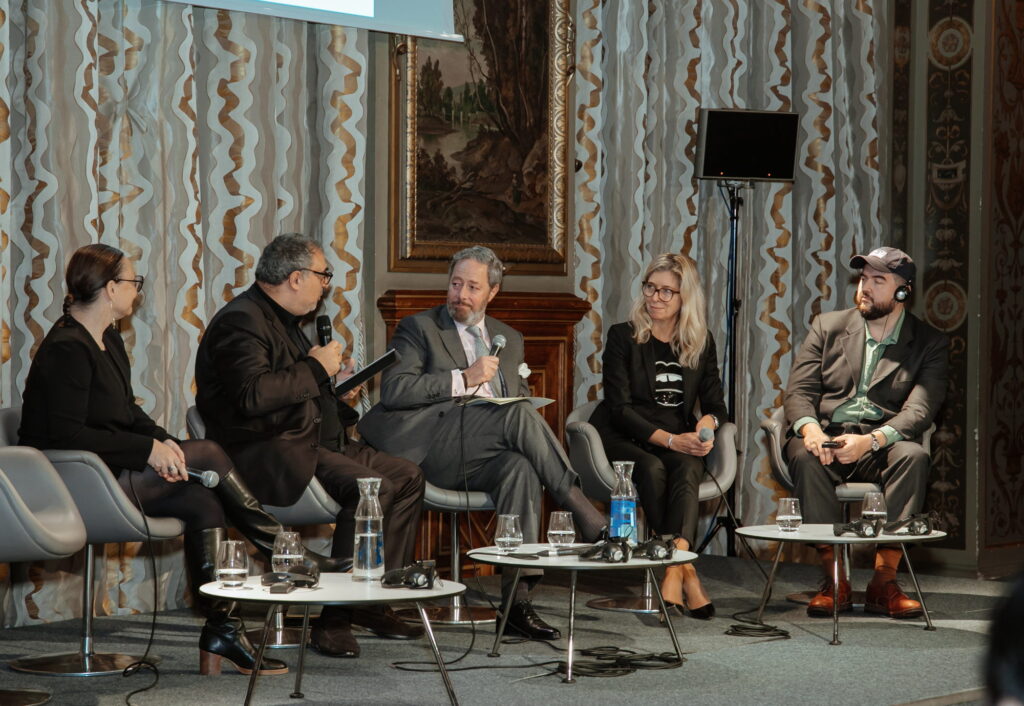
    Are all words equal? 

    The third and final theme (Fig. 7) to be discussed includes Alexandre Col from the Swiss Academy of Gourmets and the Table des 13, Alexandra Michot from the 50 Best, Hélène Pietrini, Managing Director of La Liste and Michael Zee, British influencer. 

    Third theme with, from left to right, Alexandra Michot, Laurent Guez, Alexandre Col, Hélène Pietrini, and Michael Zee.

    Michael: “The restaurants are customer-friendly, it’s a Parisian experience. When you rely solely on the Michelin Guide’s selections, you miss a lot. This can be pernicious and have a negative impact.” The conference ends well after 4:30 p.m.

  • Stockholm Gastronomy Conference

    Stockholm Gastronomy Conference

    Gastronomy Research and Policy Studies – The State of The Art

    23– 26 November 2023, Stockholm University, Sweden

    The time has come to gather researchers and policymakers from different fields of science, academic disciplines, research networks, policy areas and sectors of business, to discuss ongoing research and emerging policy issues in the comprehensive area of gastronomy.

    The academies behind the conference share the conviction that the academic and political status of gastronomy needs to be strengthened, and used as a positive and powerful resource to make the world we inhabit more environmentally, economically and socially safe and sustainable – and the life we live more enjoyable and meaningful.

    This 3rd European conference on Gastronomy will cover social, economic, psychological, medical, cultural and political dimension of food, meals and eating, as well as aspects of art and design linked to culinary experiences. The ambition is to lay a solid foundation for collaboration in gastronomy areas of strategic importance, to be discussed in future conferences within the framework of European Capitals of Gastronomy.

    Proceedings